If bailiffs are visiting your home, you may be wondering whether they can take items from your garden, driveway, shed, or other outdoor areas.
This is a common concern, especially if you have valuable items outside your home.
The answer depends on what the item is, who owns it, and whether it is protected.
In this guide, we’ll explain what bailiffs may be able to take from outside your home – and what they should usually leave alone.
Disclaimer: This article is for general information only and does not constitute legal or financial advice. Rules may vary depending on your circumstances, so always seek professional advice if you are unsure.
Can bailiffs take items from your garden? (Quick answer)
👉 Possibly – bailiffs may be able to take certain items from your garden or outdoor areas if they legally belong to you and are not protected.
This may include:
- garden furniture
- bicycles
- barbecues
- tools (depending on use and ownership)
- ornaments or decorative items
- some outdoor equipment
However:
👉 rules and exemptions apply.
What kinds of outdoor items might bailiffs take?
The exact items will depend on ownership, value, and whether the item is protected.
Examples may include:
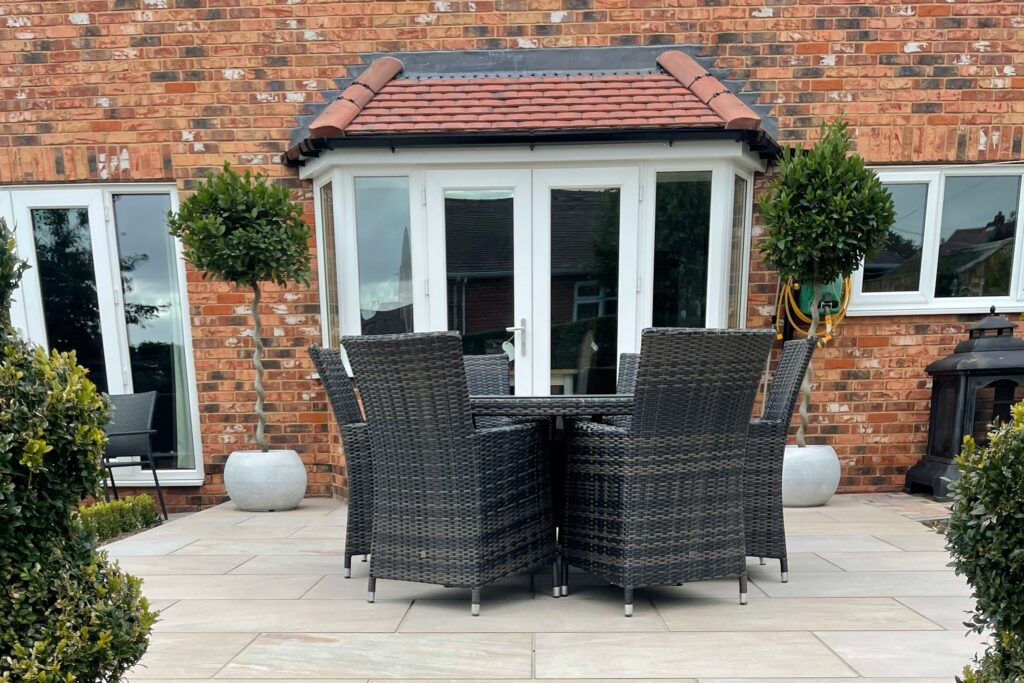
Garden furniture
Items such as:
- patio sets
- outdoor tables and chairs
- loungers
- expensive outdoor heaters
may potentially be taken if they belong to you and have resale value.
Bicycles
A bicycle may potentially be taken if:
- it belongs to you
- it is not essential for work
- it is not needed because of disability or mobility needs
Barbecues and outdoor cooking equipment
Items such as:
- barbecues
- pizza ovens
- smokers
- outdoor cooking appliances
may potentially be considered if valuable.
Decorative items
Some non-essential decorative items may potentially be taken, such as:
- statues
- planters
- water features
- ornaments
particularly where they have resale value.
Tools and equipment
Some outdoor tools may potentially be taken, such as:
- pressure washers
- lawn machinery
- power tools
- generators
However:
👉 items genuinely needed for work may be protected.
What items should usually NOT be taken?
Some outdoor items may be protected, depending on the circumstances.
This may include:
Essential work equipment
If tools or equipment are genuinely needed for your job or business, they may be protected (subject to rules and value limits).
Examples might include:
- trade tools
- specialist equipment
- machinery used directly for work
Mobility aids
Items used because of disability or mobility needs are generally protected.
Examples may include:
- mobility scooters
- adapted bicycles
- specialist access equipment
Items belonging to someone else
Bailiffs can generally only take goods that belong to the debtor.
They should not usually remove:
- a partner’s bicycle
- children’s outdoor toys
- borrowed equipment
- neighbour’s stored belongings
- financed goods in some circumstances
👉 See our guide on can bailiffs take items that don’t belong to you.
Pets
Bailiffs should not take:
- dogs
- cats
- rabbits
- other pets or assistance animals
(Your barbecue might be at risk – your Labrador is not 🐾)
What about items in a shed or garage?
Potentially – but it depends.
Items stored in:
- sheds
- garages
- outbuildings
may be considered depending on:
- access
- ownership
- whether the item is protected
- whether bailiffs have lawful authority to act
What should you do if you’re worried?
1. Make a note of valuable outdoor items
Consider what belongs to you, what belongs to others, and what may be protected.
2. Gather proof of ownership where relevant
Receipts, finance agreements, and records may help.
3. Identify protected items
Anything essential for work, disability, or belonging to another person may be treated differently.
4. Seek independent advice
If you are unsure, independent advice can help you understand your rights.
- Citizens Advice – Can explain what protections may apply in your circumstances.
- National Debtline – Offers practical guidance on bailiffs, debt recovery, and your options.
If the situation is complex, you may also wish to seek legal advice.
Important: this is general guidance only
The rules around what bailiffs may or may not take can be complex.
Whether an item may be taken can depend on:
- ownership
- value
- whether it is essential
- the type of debt
- how enforcement powers apply in your situation
This article is general guidance only and is not an exhaustive list.
For advice tailored to your circumstances, speaking to a debt charity or legal professional may be helpful.
Frequently Asked Questions
Can bailiffs take garden furniture?
Possibly, if it belongs to you, is non-essential, and has resale value.
Can bailiffs take my bike?
Possibly – unless it is protected because it is essential for work or mobility needs.
Can bailiffs take children’s outdoor toys?
They should not usually remove items that belong to someone else, including a child’s belongings.
Can bailiffs take items from my shed?
Potentially, depending on access, ownership, and whether the items are protected.
Can bailiffs take potted plants?
Usually the practical value may be limited, but valuable decorative planters or garden ornaments may potentially be considered.
Need further support?
If you’re feeling overwhelmed or unsure what to do next, you’re not alone – there are free, trusted organisations that can offer confidential advice and support.
- StepChange Debt Charity – Free, impartial debt advice and personalised support with managing and repaying debt.
- Citizens Advice – Independent advice on your rights, dealing with creditors, and resolving disputes.
- National Debtline – Clear guidance and practical tools, including template letters and advice on handling enforcement action.
- Samaritans – Confidential emotional support if you’re feeling stressed or anxious about your situation.
These organisations offer free support and are not affiliated with this website.